Understanding Natural Humidity
Discover the science behind how plants create comfortable indoor environments
How Plants Release Moisture
The Transpiration Process
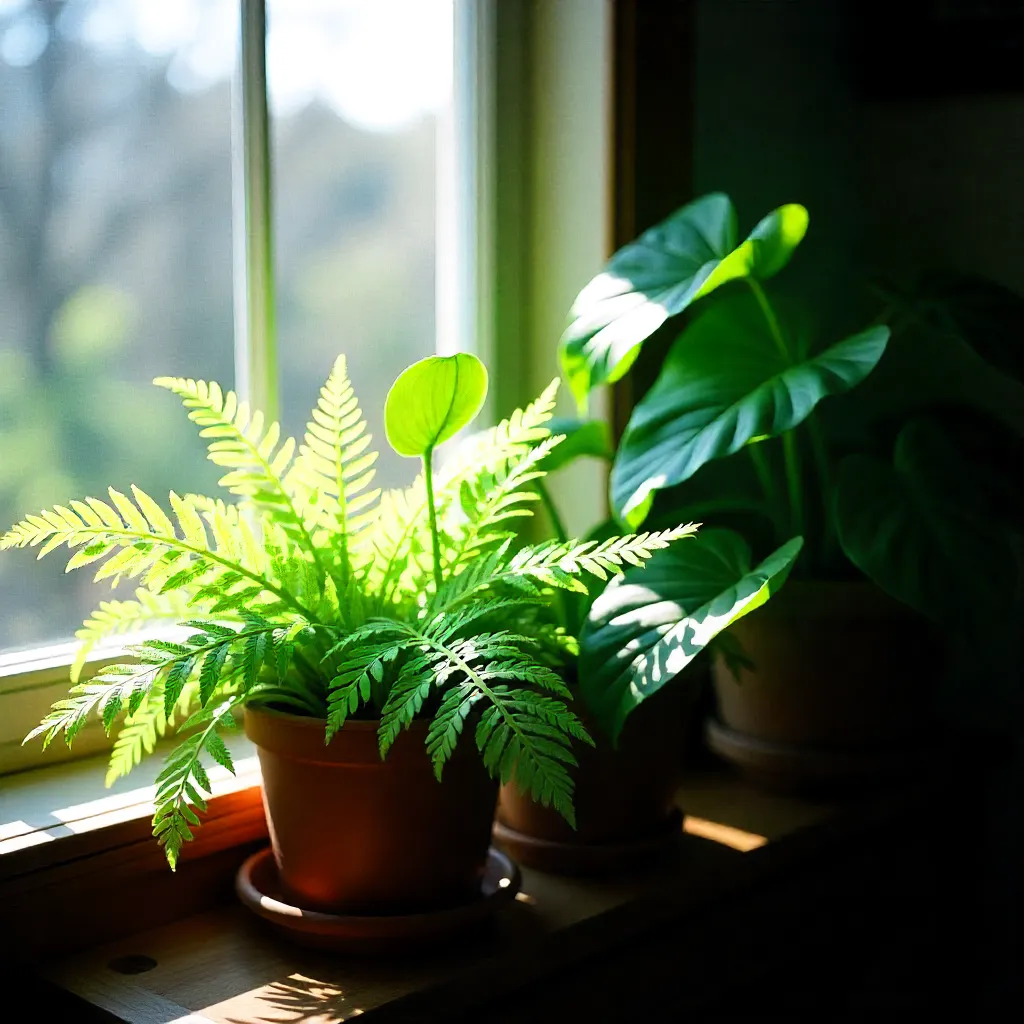
Transpiration is the natural process by which plants release water vapor through their leaves. This occurs when plants absorb water through their roots, which travels up through the stem and eventually evaporates from tiny pores called stomata on the leaf surface.
This continuous cycle not only helps plants regulate their temperature but also increases the humidity in the surrounding air, creating a more comfortable indoor environment.
Visual Guide to Transpiration
1. Water Absorption
Roots draw water from soil or container medium
2. Water Transport
Water moves through xylem vessels to leaves
3. Evaporation
Water vapor releases through leaf stomata
4. Humidity Increase
Moisture disperses into surrounding air
Ideal Humidity Levels for Healthy Living
Optimal Range
The ideal relative humidity range for most indoor spaces. This level promotes comfort, reduces static electricity, and supports overall well-being.
Too Low (<30%)
Dry air can cause:
- • Dry, irritated skin
- • Respiratory discomfort
- • Static electricity buildup
- • Wood furniture damage
- • Increased susceptibility to airborne particles
Too High (>70%)
Excessive moisture can lead to:
- • Mold and mildew growth
- • Dust mite proliferation
- • Musty odors
- • Condensation on windows
- • Allergen accumulation
How Dry Air Affects Your Environment
Physical Effects
Skin Health: Low humidity can cause skin to become dry, flaky, and irritated. Natural moisture helps maintain skin's protective barrier.
Respiratory Comfort: Dry air can irritate nasal passages and throat, making breathing less comfortable, especially during sleep.
Eye Discomfort: Insufficient moisture in the air can lead to dry, itchy eyes, particularly for those who spend long hours in front of screens.
Environmental Impact
Furniture and Wood: Dry conditions cause wood to shrink and crack. Musical instruments, wooden furniture, and flooring benefit from stable humidity levels.
Static Electricity: Low humidity increases static buildup, which can damage electronic devices and create uncomfortable shocks.
Plant Health: Many houseplants struggle in overly dry conditions, showing signs of stress like brown leaf tips and reduced growth.

Plant Moisture Output Comparison
High Output Plants
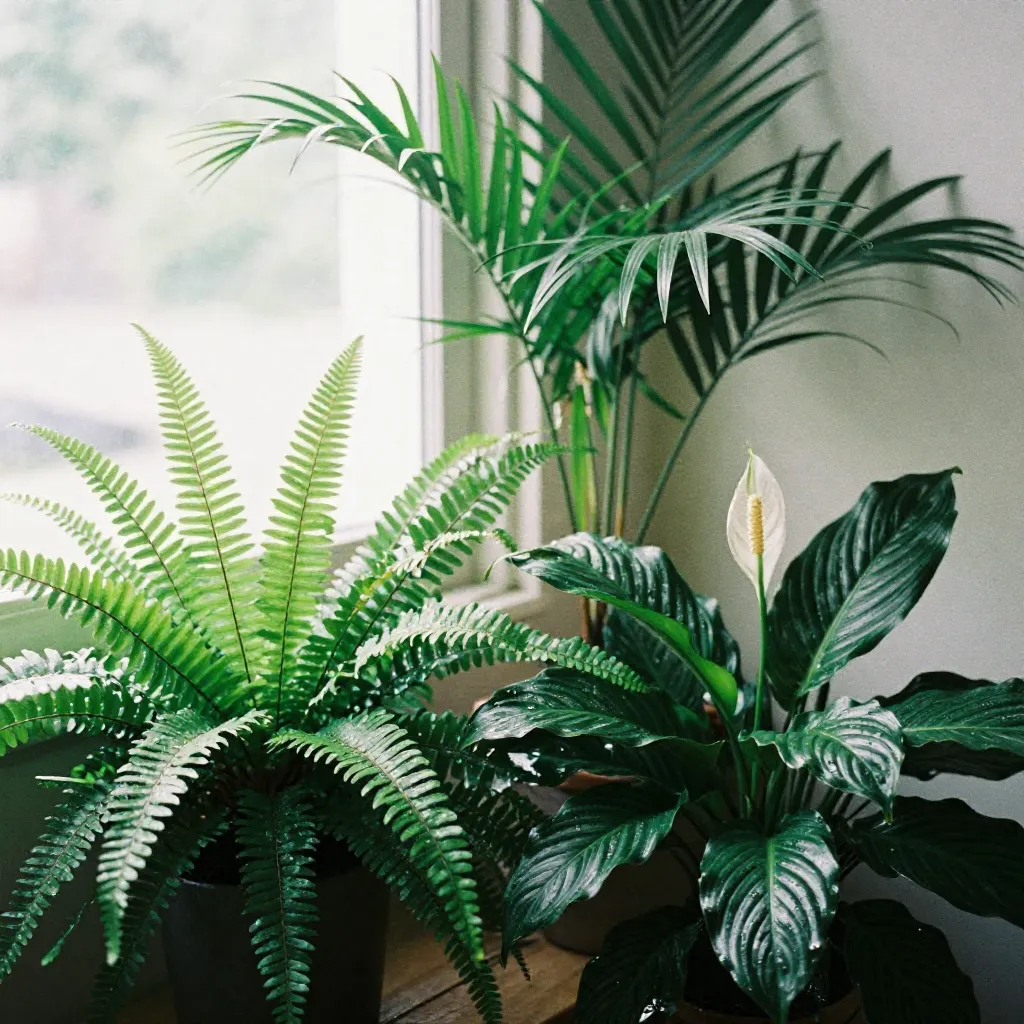
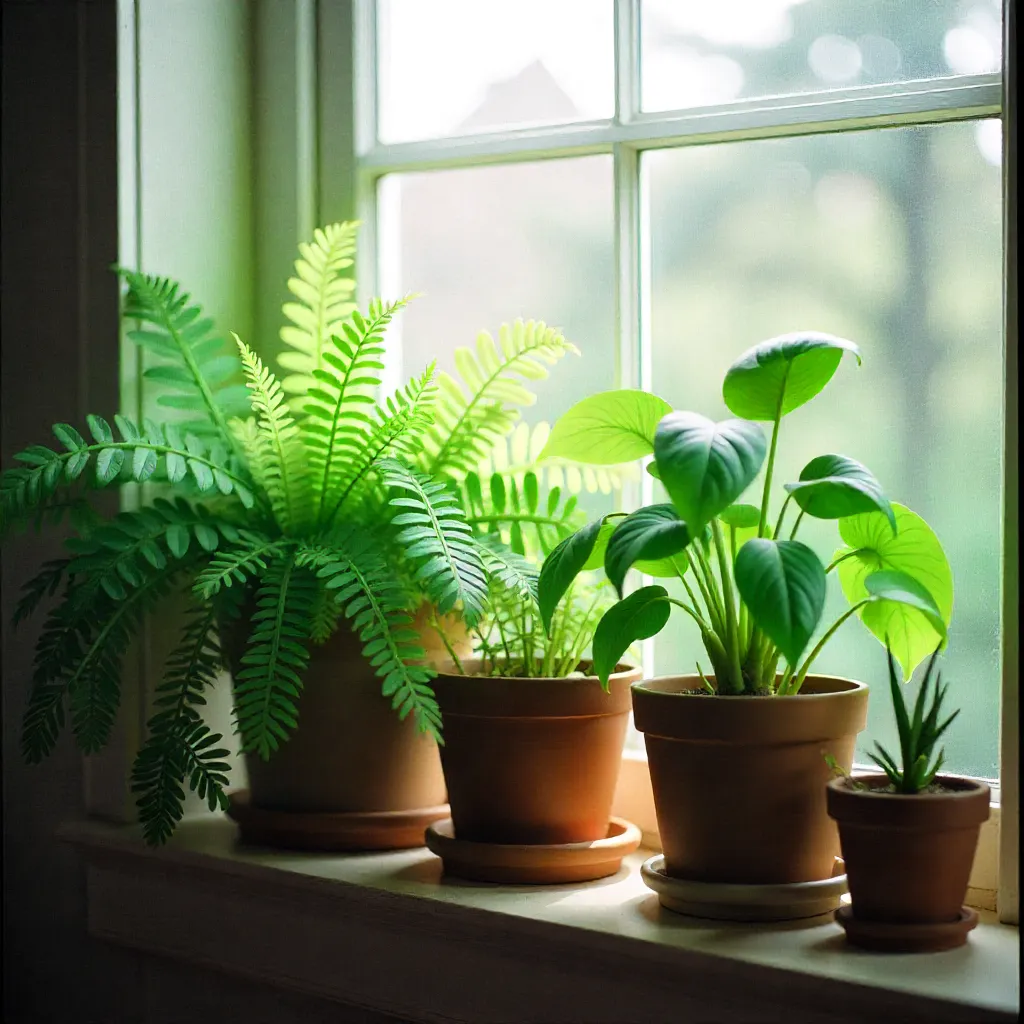
Boston Fern, Peace Lily, Areca Palm. These plants release significant amounts of moisture and are ideal for larger spaces or very dry environments.
Medium Output Plants
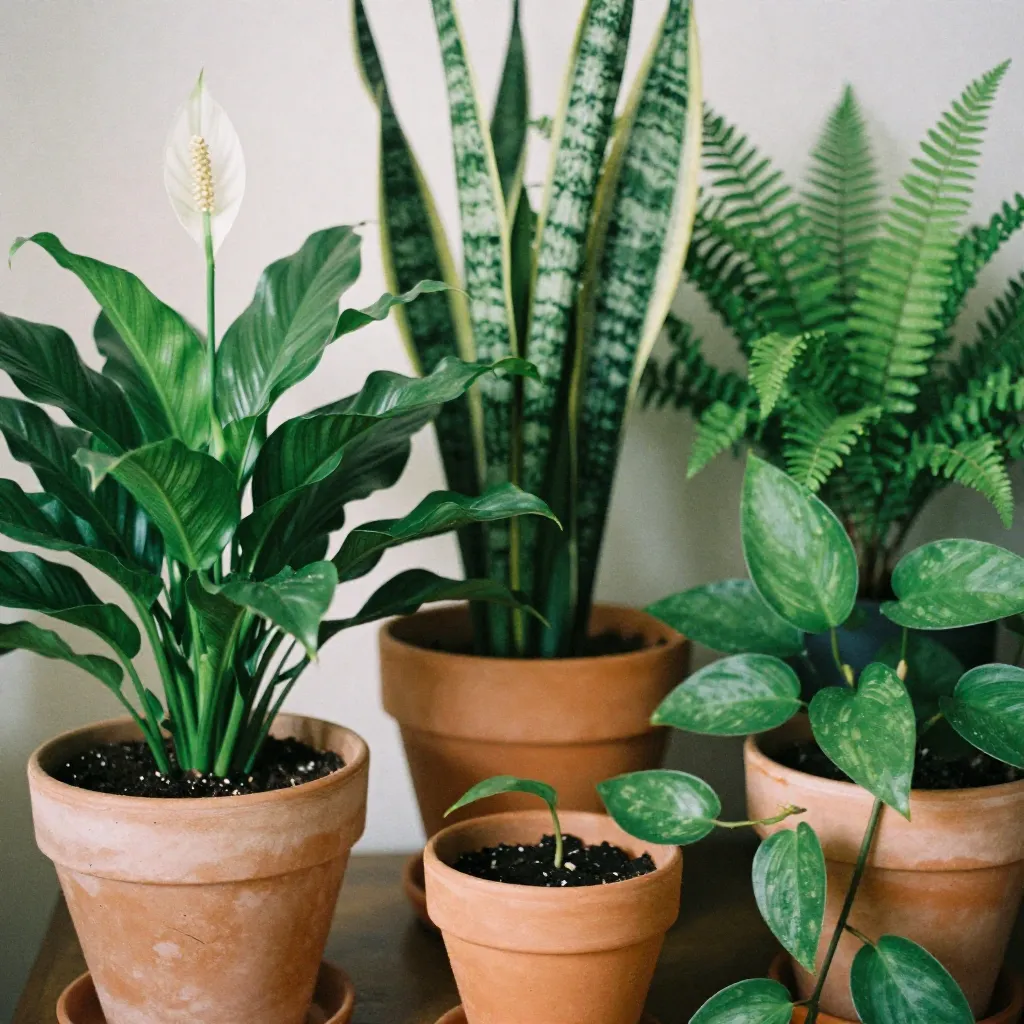
Spider Plant, Rubber Plant, English Ivy. Good balance of moisture output and ease of care, suitable for most indoor spaces.
Moderate Output Plants
Snake Plant, ZZ Plant, Pothos. Lower moisture output but excellent for beginners and low-maintenance spaces.
Dry Season Survival Tips
Creating a Humidity-Friendly Environment
- Group Plants Together: Clustering plants increases localized humidity as they collectively release moisture.
- Regular Misting: Light misting in the morning helps plants and increases ambient moisture.
- Pebble Trays: Place water-filled trays with pebbles beneath plant containers to create evaporation zones.
- Avoid Direct Heat: Keep plants away from radiators, heaters, and direct airflow that dries the air.

Monitoring Humidity
Use a simple hygrometer to monitor indoor humidity levels. Place it away from direct sunlight and heat sources for accurate readings. Aim to maintain levels between 40-60% for optimal comfort.
Remember that different rooms may have varying humidity levels. Bedrooms, living areas, and bathrooms each have unique characteristics that affect moisture balance.